Each person has got his or her own idea with regards to Tips on How to Prevent Plumbing Issues in Your House.
Intro
Keeping a practical plumbing system is important for a comfortable home. By taking preventive measures, you can prevent common plumbing concerns that may disrupt your day-to-day live and sustain pricey repair work.
Routine Maintenance Checks
Routinely inspecting your plumbing system is crucial for determining potential concerns before they rise. Check pipelines, faucets, bathrooms, and devices for leaks, rust, or signs of damage.
View What You Flush
Be mindful of what you purge down your toilets. Prevent purging things such as wipes, cotton balls, hygienic products, and paper towels, as these can cause clogs and backups in your pipelines.
Proper Disposal of Grease and Food Waste
Dispose of grease, oils, and food scraps properly to stop accumulation in your pipelines. Prevent putting grease down the drain, as it can solidify and trigger obstructions. Use a filter in your kitchen area sink to catch food particles and vacant it frequently.
Monitor Water Pressure
Watch on your water stress to stop anxiety on your pipelines and home appliances. High water pressure can cause leakages and damages over time. Consider mounting a stress regulator to keep optimal water pressure throughout your home.
Protect Pipes from Cold
Throughout winter, take steps to prevent your pipelines from cold. Shield revealed pipelines, especially those in unheated locations like cellars and attics. Enable faucets to leak throughout freezing temperature levels to avoid water from freezing in the pipelines.
Address Leakages Quickly
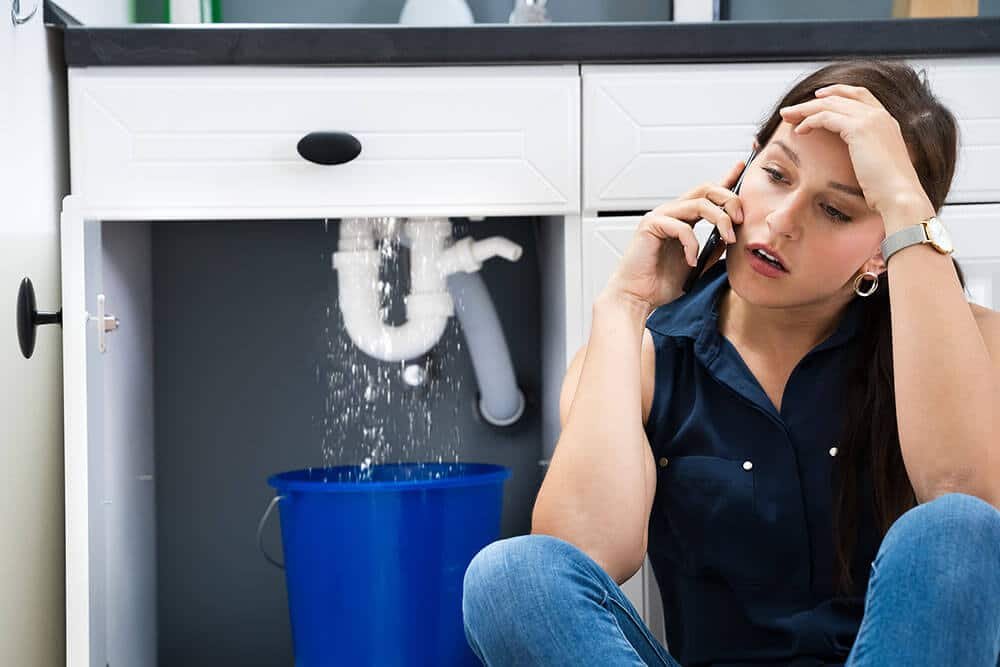
Deal with any type of leakages or trickles as soon as you discover them. Also small leakages can waste water and cause damage to your home with time. Tighten loosened installations or replace damaged seals to avoid leaks from aggravating.
Be Mild with Plumbing Components
Stay clear of using too much pressure when operating plumbing components such as faucets and valves. Misuse can trigger wear and tear, causing leaks and various other malfunctions.
Regular Drainpipe Cleansing
Arrange normal drain cleansing to avoid build-up of hair, soap residue, and various other debris. Utilize a drainpipe snake or enzymatic cleaner to eliminate blockages and keep smooth drain.
Mount Water Softeners
Think about mounting a water conditioner if you have tough water. Difficult water can create mineral buildup in your pipes and devices, leading to lowered water flow and effectiveness.
Inform House Members
Enlighten everybody in your household regarding appropriate plumbing techniques. Show them what ought to and should not be flushed or taken care of down the drain to stop preventable plumbing issues.
Final thought
Protecting against common plumbing issues in your house requires diligence and regular maintenance. By adhering to these preventive measures, you can make certain that your plumbing system runs efficiently and stay clear of expensive repair work in the future.
Expert Tips for Preventing Common Plumbing Issues
Keep Drains Clear and Functional
Regularly clean drain covers and hair-catching devices to eliminate debris and prevent buildup. Avoid disposing of grease, oil, or coffee grounds down your drains, as they can congeal and accumulate over time, creating obstructions. Consider using a biodegradable drain cleaner periodically to break down organic matter and maintain clear pipes. Prevent and Identify Leaks Early
Regularly inspect visible plumbing connections, pipes, and fixtures for signs of moisture or corrosion. Fix loose connections or replace damaged components as needed. Install water leak sensors in high-risk areas such as under sinks, near water heaters, and around washing machines to provide early warning of potential leaks. Monitor your water bill for sudden increases in usage, which may indicate a hidden water leak. Protect Plumbing from Freezing Temperatures
Allow faucets to drip slightly during extremely cold weather to prevent freezing and pressure buildup inside the pipes. Seal gaps and openings in walls, doors, and windows near plumbing to prevent drafts from reaching your pipes. Maintain Optimal Water Heater Performance
Schedule annual professional maintenance of your water heater, including checking pressure-relief valves, flushing sediment buildup, and inspecting for corrosion or leaks. Maintain the manufacturer-recommended temperature setting, typically around 120°F (49°C), to optimize energy efficiency and prevent scalding. Consider installing an expansion tank in your system if you have a closed-loop water supply, which prevents excessive pressure buildup and potential water heater failure. https://www.climatecontrolkc.com/blog/plumbing/tips-for-preventing-plumbing-issues/
We had been shown that article on through someone on a different domain. In case you appreciated our page plz do not forget to pass it around. Many thanks for your time. Revisit us soon.
Visit Link